


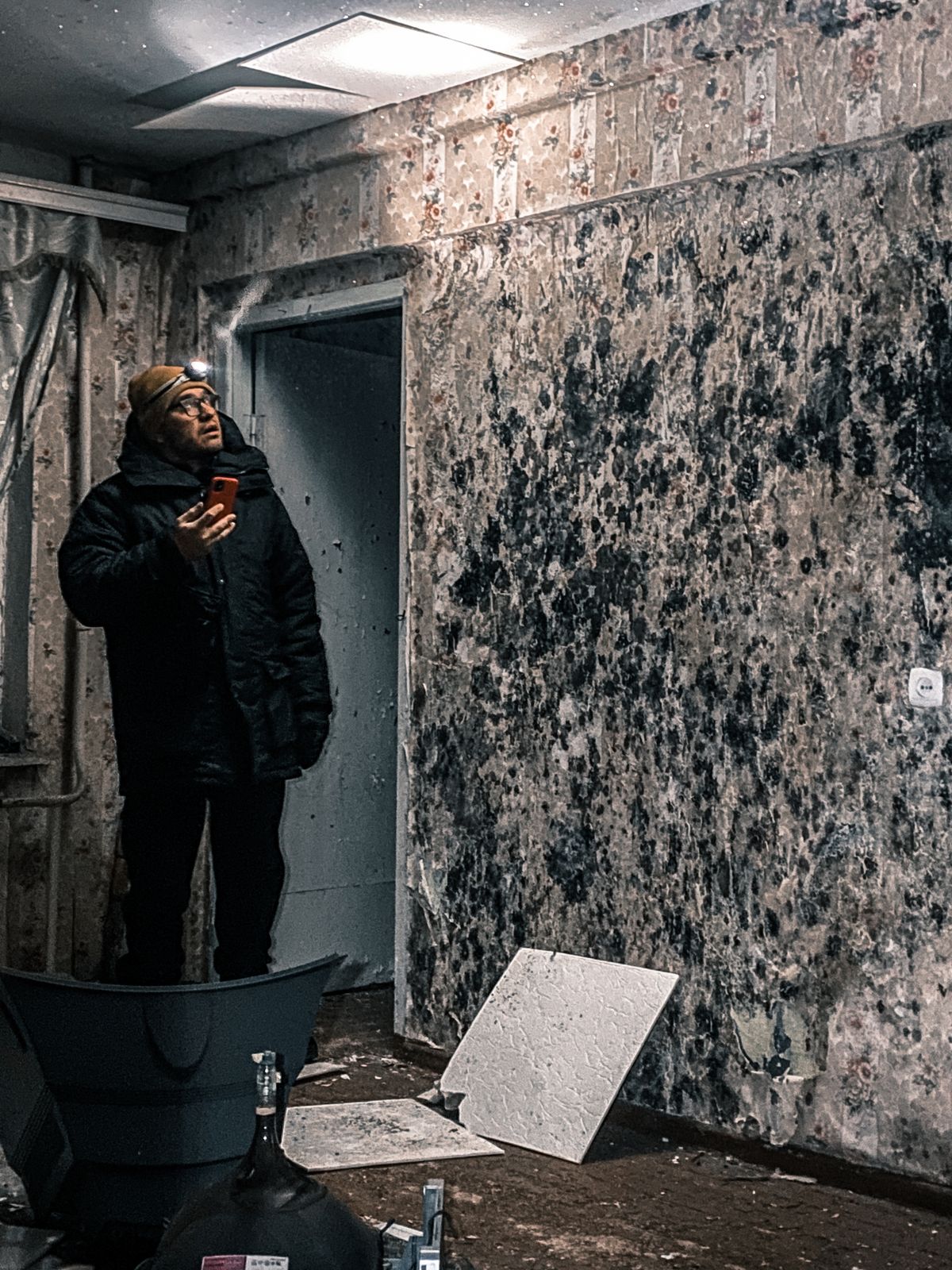
Florida's Humidity Is Destroying Homes From the Inside Out
If your house smells musty, that's not just moisture — it's organic matter growing in your walls, ducts, and attic. And you're breathing it every night.
For decades, Florida homes got away with undersized air conditioners because seasonal residents didn't mind the heat. Now that homes are sealed tighter and set to 70°, oversized ACs are creating a hidden epidemic: black mold, mildew, and toxic organic growth in your ductwork. A whole-house dehumidifier is the fix — and every Florida home should have one.
The Florida Climate Problem Nobody Talks About
Southwest Florida's humidity doesn't take a break — not even in winter. Cape Coral averages 73-76% relative humidity year-round, and during the summer rainy season, outdoor levels regularly climb above 90%. Even on a dry January day, humidity sits in the 70s.

Most people moving to Cape Coral from northern states don't realize that Florida's climate is fundamentally different from what they're used to. Up north, the air is dry in winter and your furnace dries it out even further. Down here, moisture is constant. It seeps through every crack, every door opening, every minute your AC cycles off. Your home is essentially a sponge sitting in a steam room.
For decades, this wasn't a major issue. Seasonal residents — the snowbirds — left their thermostats set to 80° or higher when they weren't home. The AC ran lightly, the house breathed a little, and nobody was sleeping in 12 hours of mold-laden air. The air conditioners were undersized for the square footage, but that was fine because nobody expected their Florida home to feel like 70° in August.
That era is over. The new generation of full-time Florida residents wants their home at 70°, the new building codes have sealed houses up tighter than ever, and contractors are responding by installing bigger and bigger AC systems on the same square footage. This is where the problems start.
Florida Humidity: Even Winter Isn't Safe
Most people assume humidity drops in Florida's cooler months. It doesn't. Cape Coral's average relative humidity hovers around 73% in January and 76% in July. The temperature drops, but the moisture in the air stays.
This means even when your AC isn't running as much during the cooler months, moisture is still accumulating in your home. Without a dedicated dehumidifier, your indoor humidity can climb well above 60% — the threshold where mold and mildew begin to thrive.
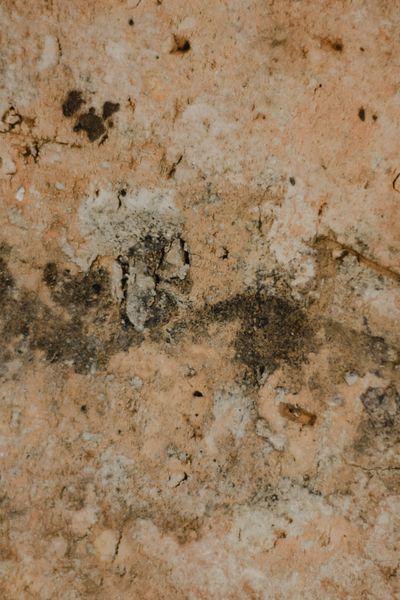
Why a Sealed House Isn't Always Better in Florida
New building codes mandate tighter construction. That's great for energy bills — but it's creating a hidden indoor air quality crisis in Southwest Florida.
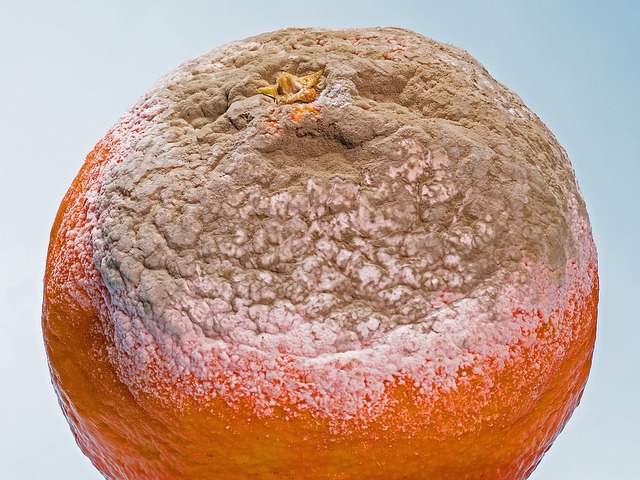
Modern building standards have pushed contractors to seal homes tighter than ever. Spray foam insulation, impact windows, vapor barriers, and weatherstripping all reduce energy waste. In a northern climate, this is a pure win: less heat escapes, your furnace runs less, and you save money.
In Florida, it's a double-edged sword. A tightly sealed home traps moisture inside. Every time you open a door, cook, shower, or even breathe, you're adding humidity to an already-saturated indoor environment. That moisture has nowhere to go. It accumulates in your ductwork, behind walls, in closets, in attic spaces, and in every dark corner of your home.
In the old days, houses "breathed." They leaked air around windows and doors, which wasn't energy-efficient but did allow some moisture exchange with the outdoors. Today's sealed envelopes are far more efficient — but they need a dedicated dehumidification system to manage the moisture that gets trapped inside.
Bottom line: A tight house without a dehumidifier is a petri dish. You've sealed in the moisture and created the perfect environment for mold, mildew, and organic growth to flourish.
The Danger of Oversized Air Conditioners
Contractors are putting 5-ton ACs on homes that should have 3-ton systems. Here's why bigger isn't better — and how it's making your family sick.
Oversized AC Installed
Contractor installs a larger-than-needed AC to guarantee the house hits 70°. Homeowner thinks bigger = better.
Short Cycling Begins
The oversized unit cools air to temperature in minutes. Thermostat satisfied, AC shuts off — but the air still holds all its moisture.
Humidity Stays High
ACs only remove humidity while running. Short cycles mean the coil never gets cold enough to pull moisture from the air.
Mold Takes Hold
Indoor humidity stays above 60%. Mold spores colonize ductwork, closets, attics, and behind walls within 24-48 hours.
An air conditioner's primary job is to cool air — dehumidification is just a side effect. When a properly sized AC runs long, steady cycles, it pulls significant moisture from the air. But an oversized unit satisfies the thermostat so quickly that it never runs long enough to dehumidify. The result: your house is 70° and feels clammy. The air is cool but damp. And every surface in your home is slowly collecting moisture that feeds mold, mildew, and organic growth.
What's Growing in Your Home Right Now?
If you smell something musty when you walk in, that's not just water. That's living organic matter — and it may be highly toxic.
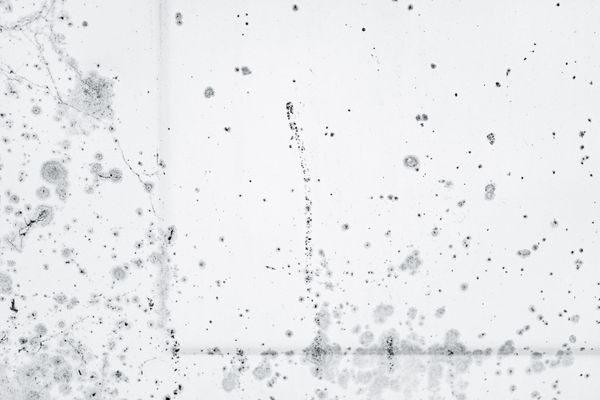
Black Mold
Stachybotrys chartarum
The most dangerous household mold. Black mold produces mycotoxins — toxic compounds that become airborne and enter your lungs every time you breathe. It thrives on damp drywall, wood, and ceiling tiles, and appears as dark black or greenish-black patches. In Florida's humidity, it can colonize a surface in as little as 24 hours.
- Produces toxic mycotoxins
- Thrives on wet drywall and wood
- Needs 55%+ humidity to grow
- Can cause severe respiratory illness
- Professional remediation often required
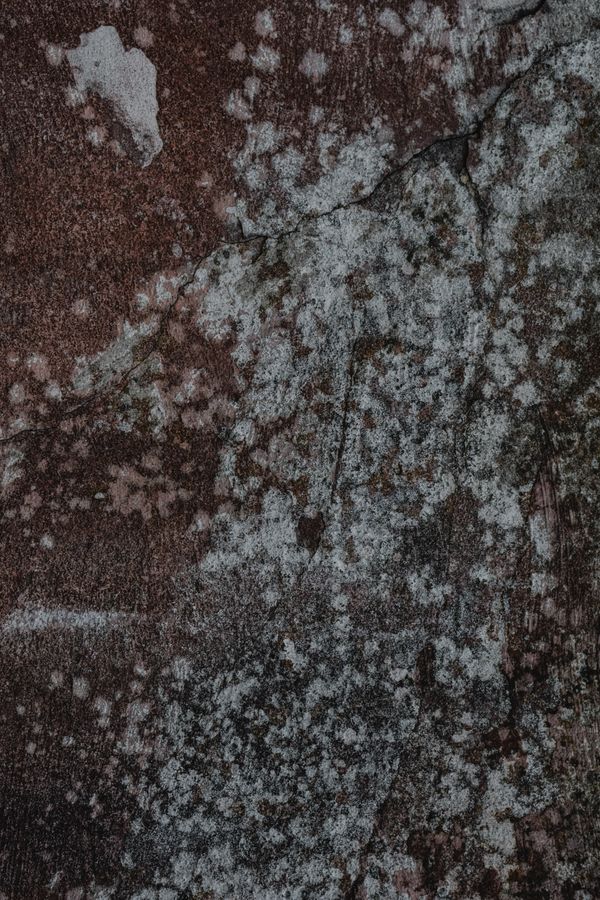
Mildew
Surface fungal growth
Mildew is mold's more common cousin. It appears as gray, white, or yellowish patches on surfaces like bathroom tile, window sills, closet walls, and ceilings. While less toxic than black mold, chronic mildew exposure triggers allergic reactions, sinus problems, and respiratory irritation. In Florida, mildew can establish on any surface where humidity exceeds 60%.
- Gray, white, or yellowish patches
- Common on grout, tile, and windowsills
- Triggers allergies and sinus issues
- Spreads rapidly in high humidity
- Often the first visible sign of a moisture problem
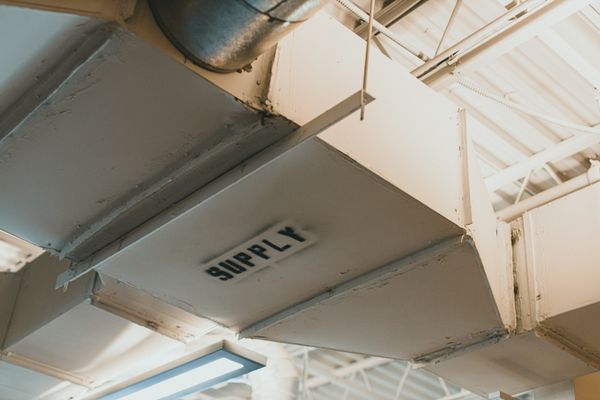
Organic Growth
Microbial contamination in ductwork
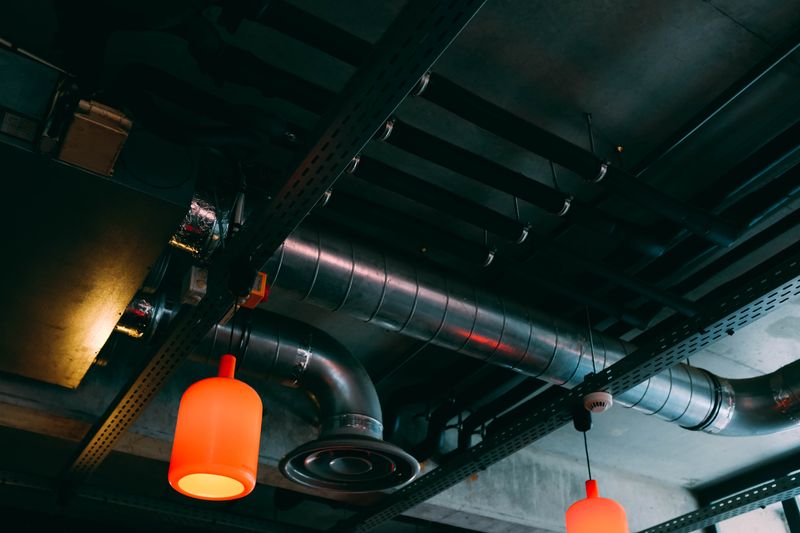
This is the one that scares HVAC professionals the most. Organic growth inside your ductwork is invisible — you can't see it, but you breathe it every single time your air handler kicks on. It includes mold colonies, bacterial biofilms, and fungal spores that coat the inside of your ducts and get circulated throughout your entire home, every cycle, all day long.
- Invisible inside ductwork
- Circulated by your AC blower
- Includes mold, bacteria, and fungi
- Coats duct surfaces with biofilm
- You breathe it 8-12 hours every night
What Mold and Organic Growth Do to Your Body
You sleep 8-12 hours a night with your lungs filling up with airborne spores. Here are the symptoms most Florida homeowners don't connect to their indoor air quality.
Respiratory Problems
Chronic coughing, wheezing, and shortness of breath that won't go away. Many residents are misdiagnosed with seasonal allergies when the real culprit is mold in their ductwork.
Itchy, Watery Eyes
Persistent red, itchy, or watery eyes — especially in the morning after sleeping in a room with contaminated air circulating all night.
Skin Reactions
Unexplained rashes, itchy skin, and dermatitis. Mold spores and mycotoxins trigger inflammatory skin reactions even without direct contact.
Sinus Infections
Recurring sinus congestion, runny nose, and infections. Inhaling mold spores inflames sinus passages and creates a cycle of chronic infection.
Fatigue & Headaches
Chronic fatigue, brain fog, and persistent headaches. Mycotoxin exposure is linked to neurological symptoms that mimic chronic fatigue syndrome.
Long-Term Damage
Prolonged exposure can lead to chronic bronchitis, fungal lung infections, compromised immune function, and aggravated asthma — especially dangerous for children and seniors.
The Fix: A Whole-House Dehumidifier
Even if your AC isn't running long enough to remove humidity, your dehumidifier will run all day to keep your indoor humidity below 50%. This is the single most important upgrade you can make to a Florida home.
Independent Humidity Control
Unlike your AC, a whole-house dehumidifier runs independently — it doesn't need your AC to cycle on. It monitors humidity 24/7 and kicks on whenever levels rise above your set point, typically 45-50%. Your home stays dry even when the AC is off.
Ties Into Your Ductwork
These aren't portable bucket units. A whole-house dehumidifier connects directly to your existing HVAC ductwork. When humidity rises, it activates the blower motor in your air handler to circulate air through the dehumidifier, pulling moisture from every room in your home.
Whisper Quiet
Modern whole-house dehumidifiers operate at 45-54 dBA — quieter than a normal conversation. Mounted in an attic, closet, or garage, they're virtually impossible to hear running. You'll forget it's there while it protects your home around the clock.
Almost Zero Maintenance
No water buckets to empty — the dehumidifier drains continuously via a gravity drain line to the outside. The only maintenance is cleaning or replacing the filter a couple times a year. These are truly set-it-and-forget-it systems.
How It Installs: Simple, Flexible, Out of Sight
A whole-house dehumidifier ties into your existing ductwork and can be mounted wherever works best for your home. No major renovation required.
Installation is straightforward for any licensed HVAC professional. The dehumidifier connects to your supply and return ductwork with a short run of flex duct. When the built-in humidistat detects high humidity, the unit signals your air handler's blower motor to turn on, circulating air from your home through the dehumidifier. Moisture is extracted, condensed, and drained outside via a simple gravity drain line or condensate pump.
The unit itself is compact — about the size of a small suitcase — and mounts on a wall, floor, or suspended from ceiling joists. Most installations are completed in 4-6 hours by a professional.
Because the dehumidifier shares your existing ductwork, it dehumidifies your entire home from one central location — no portable units cluttering rooms, no buckets to empty, no extension cords.

Attic
The most common location in Florida homes. Out of sight, connected to your air handler's ductwork right where it sits.
Utility Closet
Ideal for homes without attic access. Compact units fit in a closet with a short duct run to your HVAC system.
Garage
Easy access for maintenance. The dehumidifier can be piped into your ductwork through the wall shared with your home's HVAC system.
Our Whole-House Dehumidifiers
Factory-direct from Furnace Direct. No contractor markup.

E080 — 80-Pint Whole-House Dehumidifier
ENERGY STAR certified. Ideal for mid-size Florida homes. MERV 8 filtration, automatic defrost, continuous gravity drain.
View Full Details →
E100 — 100-Pint Whole-House Dehumidifier
ENERGY STAR Most Efficient. The go-to unit for most Florida homes. 310 CFM airflow with corrosion-resistant coils.
View Full Details →
E130 — 130-Pint Whole-House Dehumidifier
Maximum capacity for large homes. Removes over 16 gallons of moisture daily. Built for Florida's most demanding conditions.
View Full Details →
DR65 — 65-Pint Whole-House Dehumidifier
Trusted Honeywell Home quality. Compact design, on-board digital controls, washable filter. Perfect for smaller Florida homes.
View Full Details →
DR120 — 120-Pint Whole-House Dehumidifier
Honeywell's high-capacity workhorse. 280 CFM airflow, ENERGY STAR certified. Built for large Florida homes with serious humidity.
View Full Details →
E070 — 70-Pint Crawl Space Dehumidifier
Purpose-built for crawl spaces. Corrosion-resistant, compact, and tough. Protects your home's foundation from Florida's ground moisture.
View Full Details →Not Sure Which Size You Need?
Every home is different. Give us a call and we'll help you figure out the right dehumidifier for your square footage, your climate zone, and your existing HVAC setup. No pressure, no sales pitch — just straight answers from people who know Florida HVAC.
(888) 762-1334